
The Evolution of Statement Jewels: From Historic Heirlooms to Modern Glamour
Statement jewellery has been an integral part of fashion for centuries. Bold jewellery has graced many people. They seek to showcase wealth, status, or beauty. Gems like morganite, rubies, and emeralds have played central roles. Each brings its own unique appeal and significance.
In this blog, we’ll journey through the history of statement jewellery. We'll look at iconic gemstones and evolving trends. Trends moved from regal opulence to modern minimalism. They still retain the power to make a bold statement.
Ancient and Medieval Eras: The Beginnings of Statement Jewels
Rubies and Emeralds: Royalty’s Favourite Gemstones
In ancient civilizations, gemstones were more than just beautiful adornments; they were symbols of power, divine connection, and wealth. Rubies, with their fiery red hue, have long been associated with royalty and passion. Kings and queens wore rubies as symbols of their ability to rule with strength and love. In ancient India, rubies were considered the "king of gemstones" and were thought to protect wearers from evil and conflict.
Similarly, emeralds, with their vibrant green colour, were cherished by Egyptian pharaohs and Roman emperors. Cleopatra famously adorned herself with emerald jewellery, believing it symbolized fertility, renewal, and eternal life. The stone was also said to bring its wearer foresight and clarity—qualities that rulers sought in their leadership.

How It’s Changed: Rubies and emeralds are still popular today. Their use shifted from royal adornments to high-fashion statement pieces. Modern designs often pair these stones with sleek settings. This allows the gemstone to be the true focal point.
Renaissance and Baroque Eras: Extravagance and Opulence
Sapphire: Symbol of Nobility and Faith
The Renaissance period marked a time of artistic rebirth and an increased focus on personal adornment. Sapphires, with their deep blue hue, became highly coveted during this time, symbolizing purity, wisdom, and nobility. Sapphires were often set into elaborate, ornate designs, combining the gemstone’s beauty with the period’s opulent aesthetic. It was also believed that sapphires had protective properties, safeguarding wearers from envy and harm.
The Stuart Sapphire is part of the British Crown Jewels. It exemplifies the importance of sapphires during this period. The gemstone has been passed down through royal generations. It remains a symbol of royalty and power.
How It’s Changed: Today, sapphires are still highly prized. Contemporary jewellery often embraces unexpected colours like pink or yellow. This creates a modern twist on a historic classic. Minimalist designs highlight the stone’s natural beauty.
The 19th Century: The Rise of Coloured Gemstones
Peridot and Opals: The Gemstones of the Victorians
Victorian jewellery became more accessible to the middle class. Gemstones were used in varied and sentimental designs. Peridot became one of Queen Victoria’s favourite gemstones. It symbolized strength, good fortune, and prosperity in rings and brooches.
Opals also became popular during this time, thanks to their unique ability to reflect a variety of colours. Opals were seen as mystical and were often given as tokens of love and devotion. Victorian jewellery often featured these stones in intricate, nature-inspired designs, including floral motifs and delicate filigree.
How It’s Changed: Peridot and opals are popular in bohemian and vintage jewellery. Peridot’s electric green hue adds colour to understated designs. Opals are used in minimalist settings to showcase their ethereal beauty.
The 20th Century: From Art Deco Glamour to Mid-Century Chic
Morganite: The Newcomer to Statement Jewellery
morganite was discovered in the early 20th century. It gained mainstream popularity in recent decades. This peachy-pink gemstone is a member of the beryl family. It was named after the financier J.P. Morgan. Its romantic colour makes it a favourite for engagement rings.
The Art Deco era embraced bold geometric designs. Gemstones were set in platinum or white gold. This emphasized clean lines and contrast. Morganite offered a softer, feminine alternative to diamonds and sapphires.
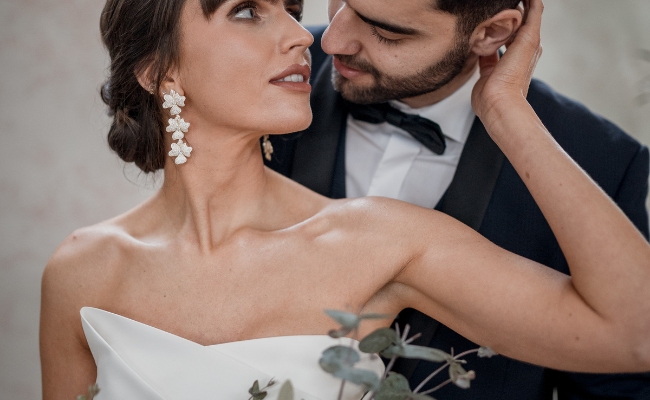
How It’s Changed: Morganite is now popular in bridal jewellery. It replaces diamonds for brides seeking an unconventional gemstone. Its pink hue pairs beautifully with rose gold settings. This creates a harmonious and modern look.
The 1960s–1990s: Statement Jewels in Pop Culture
Turquoise and Bohemian Influence
The 1960s and 1970s saw a rise in bohemian jewellery trends. Gemstones like turquoise and coral took centre stage. These stones appeared in large, chunky designs. They embodied the free-spirited styles of the time.
Icons like Jackie Kennedy and Elizabeth Taylor popularised coloured gemstones. They used daring and statement-making designs. Elizabeth Taylor loved bold, oversized jewellery. Her collections often featured emeralds, diamonds, and sapphires.
How It’s Changed: Turquoise is still beloved in bohemian and Southwestern jewellery. However, the trend now includes more refined settings. Statement pieces often pair turquoise with silver and rose gold. This creates a chic, contemporary twist.
The Future of Statement Jewels
Statement jewellery continues to evolve. It blends the history of iconic gemstones with modern trends. This includes rose gold settings and sustainable sourcing. Coloured gemstones have brought new life to statement jewellery.
Statement jewellery can captivate, inspire, and express individuality. You may love the splendour of ruby or the allure of morganite. These timeless gemstones reflect our personal stories. They continue to play a central role in how we adorn ourselves.
As the world of jewellery moves forward, the possibilities for creativity, elegance, and personal expression through statement jewels are endless.